In the vast world of Japanese craftsmanship, few items capture the soul of the nation quite like the Nousaku Tin Drinking Cup Sakura Mount Fuji. It is a rare piece that makes you stop and realize it simply doesn’t get any more Japanese than this. By blending three of Japan’s most iconic symbols—the majestic Mount Fuji, the delicate cherry blossom, and the tradition of sake—into one functional masterpiece, this cup becomes more than just a vessel; it is a celebration of heritage and meticulous artistry.
Have you ever felt that your favorite sake was missing a certain ‘something’? Often, the problem lies not in the brew, but in the presentation and the material of the cup. While porcelain and glass are common, tin is a traditional favorite in Japan because it is believed to purify water and mellow the flavor of alcohol. This cup solves the dilemma of the ordinary drinking experience by introducing a tactile, temperature-conductive material that feels substantial in your hand, elevating every sip into a ritual.
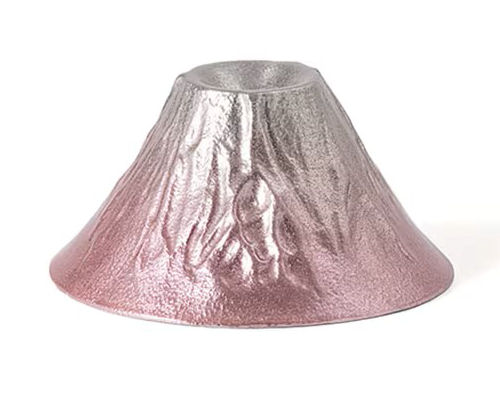
The design of the Nousaku Tin Drinking Cup Sakura Mount Fuji is a marvel of Japanese innovation. Handmade in Takaoka, Toyama Prefecture, by the historical metalware workshop Nousaku (established in 1916), it features a perfectly conical shape that mimics the slopes of Japan’s highest peak. What sets this version apart is the superb pink coating applied against the pure tin background, representing the fleeting beauty of sakura. When you flip the cup over, you see the mountain; when you fill it, you experience the artistry of the highest degree.
Measuring 37 x 74 mm (1.5 x 2.9 inches) with a capacity of 60 ml (2 fl oz), this 100% tin cup is the perfect size for a traditional pour. Weighing in at 160 grams when boxed, its quality is evident from the moment you lift it. Whether you are a collector of fine barware or looking for a meaningful gift that embodies the philosophy of Japanese design, this cup invites you to slow down, appreciate the ridges and slopes of the sculpted surface, and say a heartfelt ‘Kampai!’